Is Your Dog Feeling the Cold? Understanding Arthritis in Dogs
As the days get shorter and the colder, wetter weather begins to arrive, you may notice that your dog is moving a little slower, taking longer to get out of bed, or seeming less enthusiastic about their usual walkies.
While it can be easy to put these changes down to getting older, they could be signs of arthritis.
Arthritis is a common condition in dogs, particularly as they get older, but it can affect dogs of any age. The good news is that there are many ways we can help keep your dog comfortable, active and enjoying life.
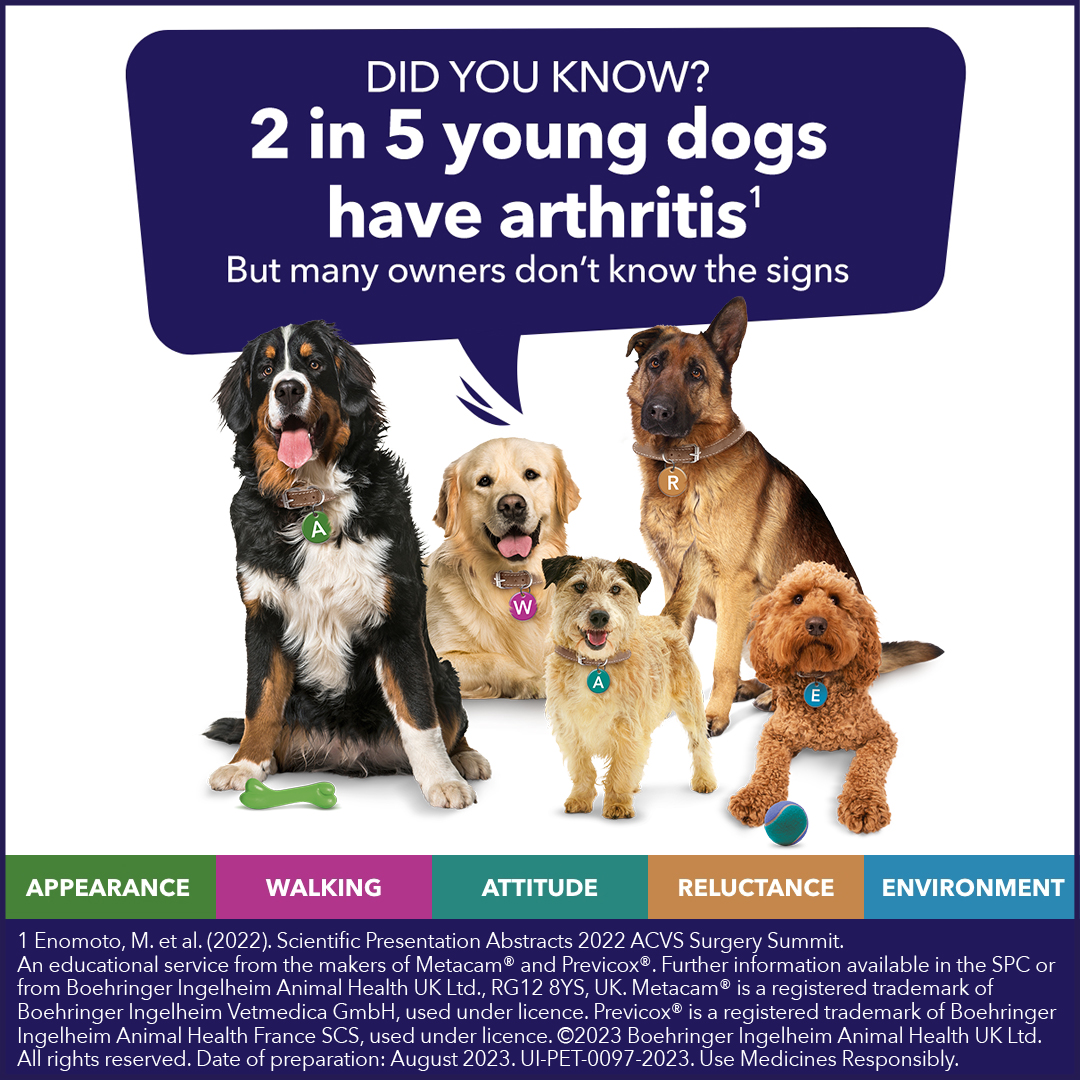
Click here to use interactive Owners Checklist,
What is arthritis?
Arthritis is a condition that affects your dogs joints. Healthy joints allow your dog to move comfortably, but over time, the smooth cushioning surface inside the joint can become damaged. This can lead to inflammation, stiffness and pain.
Arthritis often develops gradually, which means the signs can be subtle at first. Your dog may not cry or show obvious signs of pain, but you might notice small changes in their everyday behaviour.
Signs to watch out for include;
🐾 Stiffness when getting up after rest.
🐾 Difficulty standing up or lying down comfortably.
🐾 Slowing down on walks or getting tired more quickly.
🐾 Reluctance to climb stairs, jump onto the sofa or get into the car.
🐾 Swollen or painful joints, sometimes with a reaction when touched.
🐾 Changes in behaviour, such as becoming grumpy, withdrawn or less playful.
🐾 Licking or chewing at sore joints.
🐾 Finding it harder to get comfortable or settle down to sleep.
Although arthritis cannot usually be cured, it can often be managed successfully with the right care and treatment. Keeping your pets waist line trim will also have an impact on their joints too.
We understand every dog is different, but cold weather can make symptoms more noticeable,
Just like people with aching joints, some dogs seem to feel stiffer and more uncomfortable when the weather turns cold and damp.
Cold weather does not directly cause arthritis, but it may make existing symptoms more noticeable. Your dog may feel stiffer after resting, particularly first thing in the morning or after a long nap. They may also be less keen to exercise when it is wet, windy or chilly outside.
If your dog already has arthritis, the change in weather is a good reminder to look out for signs of discomfort and consider whether their current management plan is still working well.
You know your dog better than anyone. If you notice a change in their normal routine, mobility or personality, it is worth discussing this with our friendly team, even if the signs seem mild. Arthritis doesn't have to hold your dog back, and with the right care, attention and a few changes to their lifestyle, together we can make sure your dog is comfortable and pain free in their senior years.
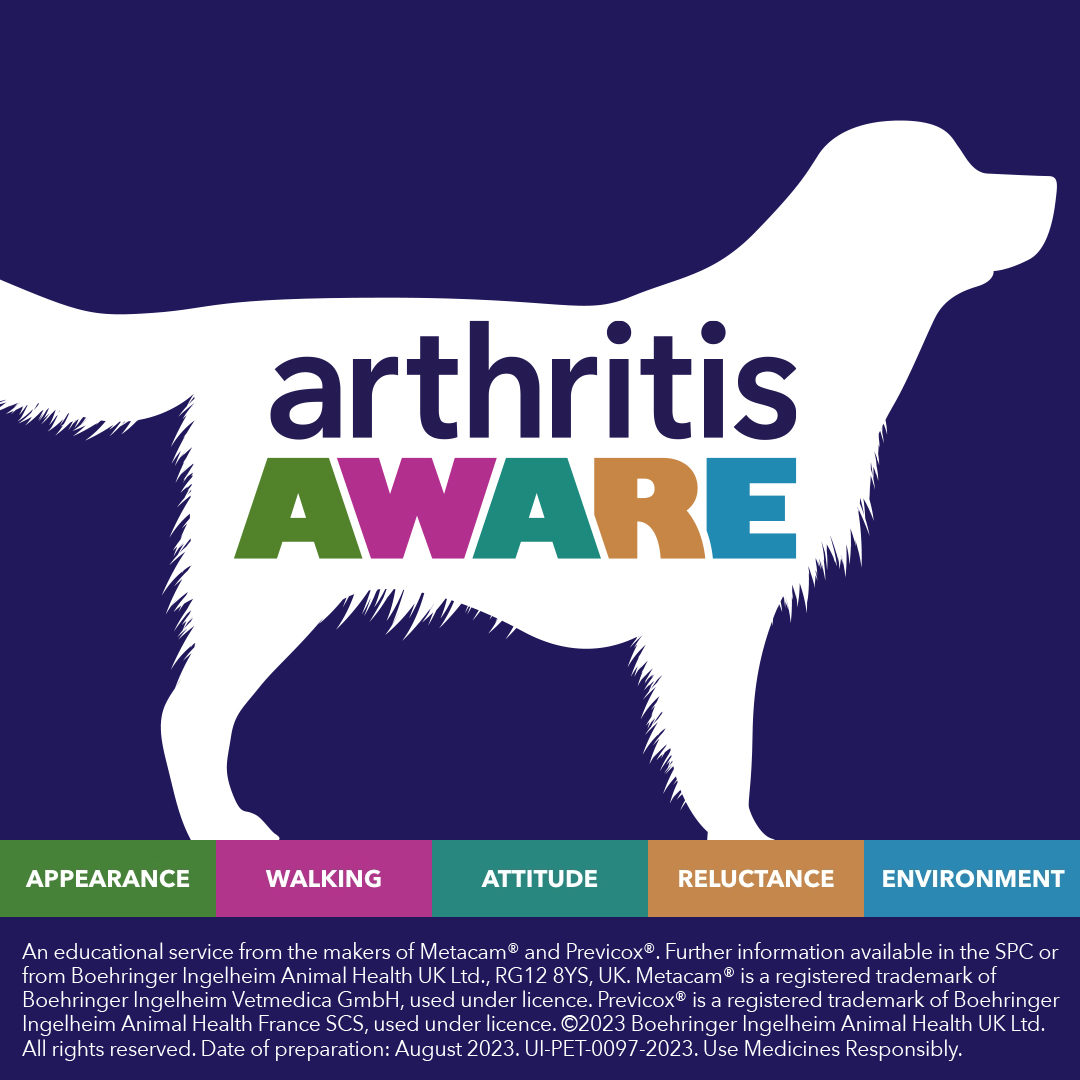
Perhaps your dog is a little slower in the mornings? Dropping behind on their usual walkies?
Our Owner Checklist is free and available to use anytime,
to help you decide whether your dog might need a little extra support.
Our team are here to support you and your pet. Free weight checks are available for your dog at all of our practices. We have evening and weekend appointments to suit your schedule, contact our friendly team today to see how we can best support you and your dog today.
-
Previous